
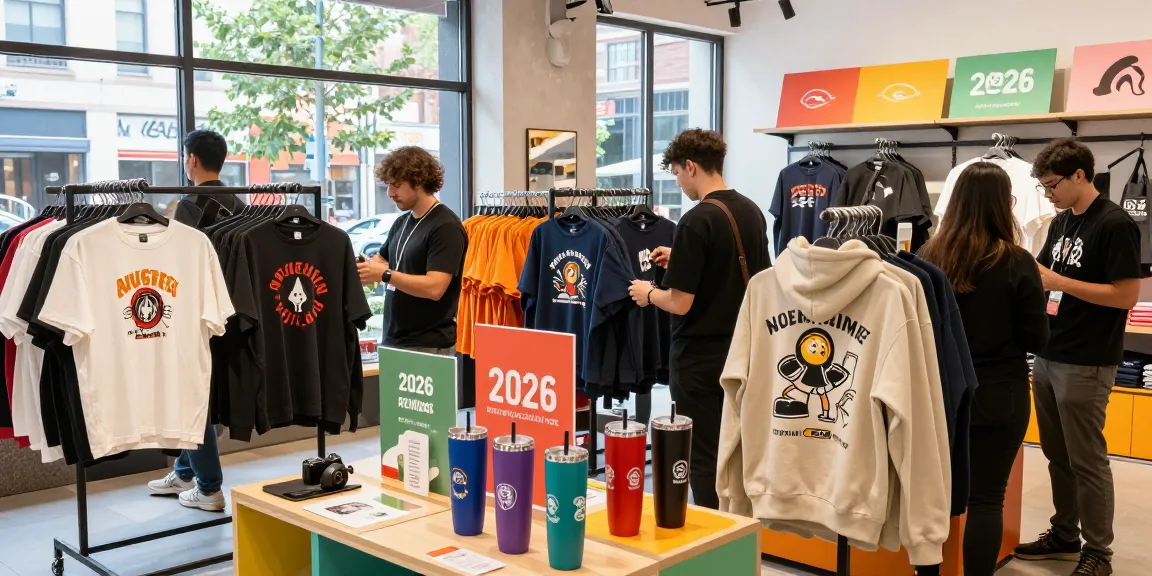
Understanding Printed Apparel Costs
Printed apparel has become a cornerstone of branding and promotional efforts, making it vital for businesses to understand the intricacies involved in pricing these goods. Whether it’s a team uniform, promotional T-shirt, or corporate giveaway, the cost of printed apparel can vary widely based on several factors. This guide will break down the essential elements that determine pricing, helping businesses and individuals make informed decisions when sourcing their printed apparel needs.
From custom T-shirts to safety gear, understanding the varied nature of Printed apparel can empower companies to optimize their spending while ensuring quality and relevance in their choices.
What is Printed Apparel?
Printed apparel refers to garments that feature designs or logos created through various printing methods. These items range from promotional T-shirts and hoodies to branded workwear and uniforms. The printing techniques employed—screen printing, digital printing, or embroidery—can significantly influence the final product’s quality and price. Printed apparel serves multiple purposes, including marketing, team building, and even just casual wear, making it a versatile category of products for both businesses and individual consumers.
Factors Affecting Pricing
Several key factors contribute to the pricing of printed apparel, including:
- Quantity: Bulk orders typically reduce the cost per unit due to economies of scale.
- Printing Technique: Different methods, such as screen printing and digital printing, have varying costs associated with setup and materials.
- Material Quality: The fabric type and quality will directly affect the price, with higher-end materials costing more.
- Design Complexity: Intricate designs may require more labor and resources, increasing costs.
- Branding Elements: Adding logos or custom tags can either elevate the brand presence or incur additional expenses.
Common Misconceptions About Costs
A common misconception is that cheaper options always equate to better value. However, it’s essential to consider the long-term implications of poor quality, such as fading, shrinkage, or misprints. This can lead to more considerable expenses down the line when garments need to be replaced or re-printed. Furthermore, the initial cost does not always include extra charges for shipping, design modifications, or additional features, which can lead to unexpected expenses.
Types of Printed Apparel
Understanding the different types of printed apparel can help businesses tailor their orders to meet specific needs and also budget appropriately. Here’s a closer look at some popular categories:
Custom T-Shirts and Hoodies
T-shirts and hoodies are among the most popular promotional items. Their versatility and practicality make them suitable for a wide array of occasions. Custom T-shirts can be designed for events, employee uniforms, or merchandise sales. Hoodies, on the other hand, are perfect for cooler climates or corporate events where comfort is essential. Depending on the printing method used, these garments can display intricate designs, vibrant colors, and high-quality logos that represent a brand effectively.
Branded Work Apparel
Branded work apparel includes uniforms, safety gear, and other functional clothing that serves both practical and branding purposes. Businesses often choose high-quality fabrics that enhance durability while ensuring comfort for employees. This segment of printed apparel is crucial for professions where safety and brand representation are paramount, such as in healthcare, construction, and hospitality industries. The cost of these items is often justified by their functional benefits and the compliance they provide with workplace regulations.
Promotional Items: A Breakdown
Promotional items can go beyond just clothing; they include bags, drinkware, and other accessories that can effectively promote a brand. Items like custom-printed tote bags or water bottles are popular as they offer practical use while serving as a canvas for brand exposure. The production process and the materials selected will dictate their cost, often making them affordable yet impactful marketing tools.
Quality vs. Price: Making the Right Choice
When selecting printed apparel, it’s vital to balance quality and price. While it may be tempting to go for the cheapest option, understanding what constitutes quality can lead to better long-term value.
How to Assess Quality in Printed Apparel
Quality can be assessed by looking at several indicators, including fabric composition, print durability, and stitching. High-quality materials like combed cotton or moisture-wicking polyester are typically more durable and comfortable. Additionally, check the printing methods used; for instance, screen printing often provides more durability over time compared to heat transfer methods. Understanding these factors can help ensure the products will withstand wear and tear while maintaining their aesthetic appeal.
Choosing the Right Supplier
Finding a reputable supplier is critical. Look for companies with a proven track record, positive customer reviews, and a portfolio that showcases their work. A good supplier should offer samples, competitive pricing, and flexible options that can cater to your specific needs. Additionally, a supplier who specializes in both stock and custom apparel will provide a wider array of choices, enabling better flexibility for your brand.
Long-term Value Considerations
Think about the long-term benefits of your investment in printed apparel. Items that last longer and retain their appearance will often provide a better return on investment. Consider how frequently these items will be used and by whom—garments that are regularly worn will need to stand up to repeated washing and use. Investing slightly more upfront for quality can save costs on replacements or reprints.
Trends Impacting Printed Apparel in 2026
The printed apparel market is continually evolving, and staying ahead of trends is crucial for businesses wanting to remain competitive and relevant. Here are some anticipated trends shaping the industry in 2026.
Sustainable Practices in Apparel Production
With growing awareness of environmental issues, many consumers are favoring brands that implement sustainable practices. This involves using organic materials, eco-friendly dyes, and ethical labor practices. Brands that can communicate their commitment to sustainability will likely resonate more with consumers, leading to a preference for their products over those that do not prioritize eco-friendliness.
Innovations in Printing Technology
Advancements in printing technologies are making it easier and more cost-effective to produce high-quality printed apparel. Techniques like Direct-to-Garment (DTG) printing allow for detailed designs with minimal setup time and lower costs for small runs. Businesses should keep an eye on these developments to leverage new technologies that can enhance their offerings.
Consumer Preferences Shaping the Market
Consumer preferences are shifting towards more personalized and unique apparel. Customization options are more popular than ever, with customers seeking garments that reflect their personal style or brand identity. Organizations should consider offering a wide range of customization options to attract and retain clientele.
Maximizing Your Budget for Printed Apparel
Budgeting for printed apparel requires strategic planning to ensure you get the best value for your investment. Below are tips for maximizing your budget.
Cost-saving Tips for Businesses
To save costs, businesses can consider consolidating their orders to reach bulk pricing tiers. Additionally, planning orders ahead of peak seasons can help avoid rush charges and delays. Establishing a long-term relationship with a supplier may also lead to better deals or discounts over time.
Best Practices for Large Orders
When placing large orders, always request samples before finalizing purchase decisions. Verify the quality of materials and printing to ensure consistency across the entire order. Additionally, try to plan for potential returns and quality control issues, as these can become costly if not addressed upfront.
Evaluating Return on Investment
To evaluate ROI, consider how the printed apparel will be utilized. Are they for events, employee uniforms, or giveaways? Tracking sales generated from promotional apparel can also provide insights into their effectiveness. Knowing the impact of these pieces on your branding efforts is essential when calculating their true value.
What Customizations Should You Consider?
Customization options can vary widely, from basic text on a T-shirt to complex graphics and embroidery. Consider what elements are most important for your brand visibility. Including logos, taglines, or even social media handles can enhance exposure, but ensure that these customizations align with your overall marketing strategy.
Are There Hidden Fees?
When budgeting for printed apparel, be aware of potential hidden costs such as setup fees, shipping charges, and costs for additional colors or design changes. Discuss all these factors with your supplier to avoid surprises down the line. A transparent pricing structure will help manage expectations and budget planning.
