
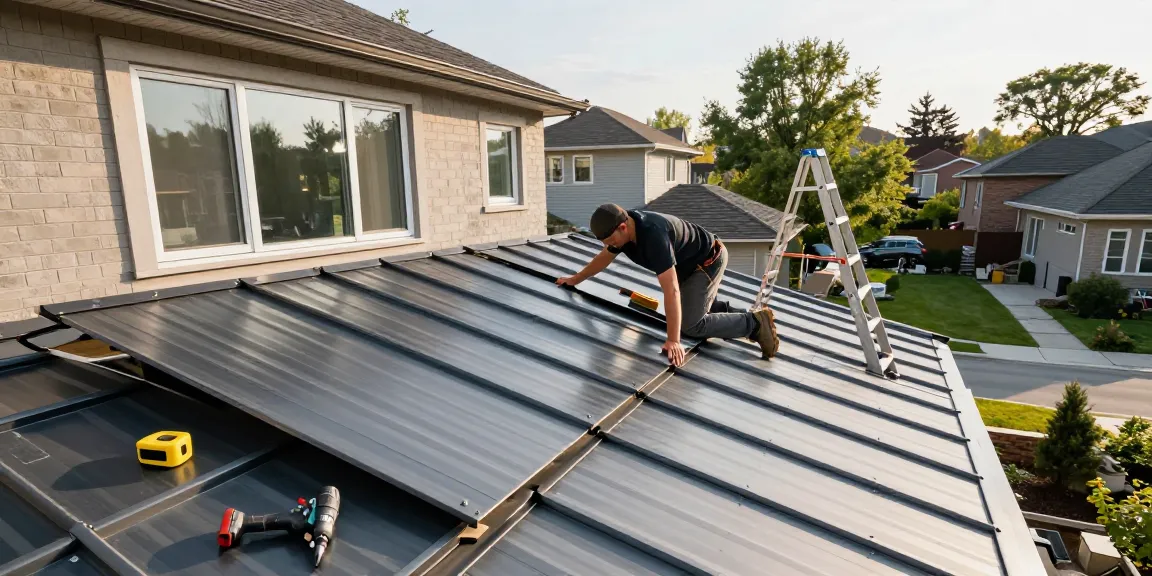
Why Choose a Metal Roof Installer in Toronto?
When considering roofing solutions for your home or business, investing in metal roofing is becoming increasingly popular among Toronto and GTA homeowners. The unique properties of metal roofs make them a prime choice for those looking to enhance the durability and aesthetic appeal of their properties. Moreover, choosing a reputable metal roof installer ensures that homeowners receive the highest quality service and materials tailored to their specific needs.
Benefits of Metal Roofing for Your Home
Metal roofing offers a plethora of benefits that make it a superior choice compared to traditional roofing materials. Here are some key advantages:
- Longevity: Metal roofs can last 40 to 70 years, depending on the material used. This contrasts sharply with asphalt shingles, which typically require replacement every 15 to 20 years.
- Durability: Resistant to extreme weather conditions, metal roofs can withstand heavy rains, strong winds, snow, and even hail, making them ideal for Toronto’s variable climate.
- Energy Efficiency: Metal roofs reflect solar radiant heat, potentially reducing cooling costs by 10-25%. This is particularly beneficial as energy prices continue to rise.
- Low Maintenance: Metal roofs require minimal maintenance, unlike traditional roofing systems that may need regular inspections for leaks and damage.
- Eco-Friendly: Many metal roofing materials are made from recycled materials and are fully recyclable at the end of their lifespan, contributing to a sustainable environment.
Understanding the Local Climate Impact
Toronto’s climate, characterized by humid summers and harsh winters, poses unique challenges to roofing systems. Metal roofing is designed to handle these conditions effectively, providing homeowners peace of mind. The ability of metal to shed snow easily reduces the risk of ice dam formation, which is crucial during the cold months. Additionally, its heat-reflective properties help in maintaining a cooler indoor temperature during the hot summer months.
Cost-Effectiveness Compared to Traditional Roofing
Though the initial installation cost of metal roofing is higher than asphalt shingles, the long-term savings are significant. Homeowners can calculate the total cost of ownership by considering factors such as lifespan, maintenance costs, and energy savings. Over time, the value of investing in a metal roof becomes evident, making it a wise financial decision.
Types of Metal Roofing Offered
There are various types of metal roofing materials available, each with unique characteristics and aesthetic appeal. Understanding these options is crucial when making a selection that best fits your property’s needs.
Different Material Options Available
Some of the most common types of metal roofing include:
- Steel: Known for its strength and durability, steel roofing is often coated with a protective layer to prevent rust and increase lifespan.
- Aluminum: Lightweight and resistant to corrosion, aluminum roofs are an excellent choice for coastal areas.
- Copper: A premium choice, copper roofs develop a distinctive patina over time, enhancing their aesthetic appeal.
- Zinc: Durable and environmentally friendly, zinc roofs are known for their longevity and low maintenance requirements.
Comparative Analysis of Styles and Aesthetics
Metal roofing is available in a wide range of styles, from standing seam panels to metal shingles that mimic traditional roofing materials. This versatility allows homeowners to choose roofs that complement their property’s architecture. Options like textured finishes and various color palettes make metal roofing an attractive option for enhancing curb appeal.
Energy Efficiency Features of Metal Roofing
Modern metal roofing solutions are designed with energy efficiency in mind. Many products come with reflective coatings that help to minimize heat absorption, which is essential in maintaining a comfortable indoor environment. Additionally, cool roof technologies can further enhance energy savings by reflecting more sunlight and absorbing less heat.
The Metal Roofing Installation Process
Proper installation is critical to ensure the longevity and performance of a metal roof. Understanding the installation process helps homeowners appreciate the complexity and importance of hiring skilled professionals.
Step-by-Step Guide to Successful Installation
The typical metal roofing installation involves several key steps:
- Preparation: The existing roof is assessed and prepared for installation. Any necessary repairs or removal of old materials takes place at this stage.
- Installation of Underlayment: A protective underlayment is installed to prevent moisture from penetrating the roof.
- Metal Panel Installation: The chosen metal panels are carefully installed, ensuring proper alignment and secure fastening.
- Finishing Touches: Flashing, ridge caps, and other finishing elements are added to complete the installation and enhance water resistance.
Common Mistakes to Avoid During Installation
To ensure a successful installation, homeowners should be aware of common pitfalls:
- Not hiring experienced professionals can lead to improper installation and future issues.
- Overlooking local building codes and regulations may result in compliance problems.
- Inadequate preparation of the roof deck can compromise the roof’s effectiveness.
Post-Installation Inspection and Maintenance
Once the metal roof is installed, conducting a post-installation inspection is vital. This ensures everything is secured correctly and that there are no leaks. Regular maintenance, such as cleaning debris and inspecting the seams and flashing, will prolong the lifespan of your roof and maintain its appearance.
Choosing the Right Metal Roof Installer
Finding a reliable metal roof installer is crucial for a successful project. The right contractor will not only provide quality workmanship but also help you navigate the complexities of roofing systems.
Qualities to Look for in a Roofing Contractor
When evaluating potential roofing contractors, consider these essential qualities:
- Experience: Look for companies with a proven track record in metal roofing installation.
- Reputation: Customer reviews and testimonials are invaluable in gauging the reliability of a contractor.
- Licensing and Insurance: Ensure the contractor is licensed and carries appropriate insurance to protect you from liability.
How to Compare Quotes and Services
When comparing quotes from different contractors, consider not only the price but also the included services, warranties, and the quality of materials. Sometimes a lower price might mean compromised quality, so weigh all factors carefully.
Customer Reviews: What to Expect
Reading reviews and testimonials from previous clients provides insights into what you can expect from a contractor. Look for feedback on installation quality, customer service, and responsiveness to issues post-installation.
Future Trends in Metal Roofing for 2026 and Beyond
The roofing industry is ever-evolving, and staying informed about upcoming trends is key to making wise investment decisions.
Innovations in Roofing Technology
Emerging technologies are enhancing the functionality and efficiency of metal roofing systems. Innovations such as integrated solar technology, which allows roofs to generate electricity, are becoming more popular.
Environmental Impact and Sustainability Trends
With growing awareness of environmental issues, sustainable building practices are at the forefront. Metal roofing, being recyclable and often made from recycled materials, aligns with these sustainability trends.
Predicted Market Changes in Metal Roofing
As housing demands change and eco-consciousness rises, the market for metal roofing is expected to expand. More homeowners are likely to consider metal roofing not only for its durability but also for its long-term savings and positive environmental impact.
What are the advantages of metal roofing?
Metal roofing offers durability, energy efficiency, low maintenance, and a significant lifespan advantage over traditional roofing materials.
How long does metal roofing last?
With proper installation and maintenance, metal roofing can last between 40 to 70 years, significantly longer than traditional options.
What types of metal roofing materials are available?
Common materials include steel, aluminum, copper, and zinc, each offering distinct benefits and aesthetic options.
How is metal roofing installed?
The installation process includes preparation, installing underlayment, securing metal panels, and adding finishing elements.
What should I consider when hiring a metal roof installer?
Consider the contractor’s experience, reputation, licensing, insurance, and the quality of materials offered to ensure a reliable installation.
